Client reports that are accessible by law. Are yours compliant?

Financial institutions that rely on Reporting Maestro for compliant client communication



















Download the Guide Directly Here
Download Guide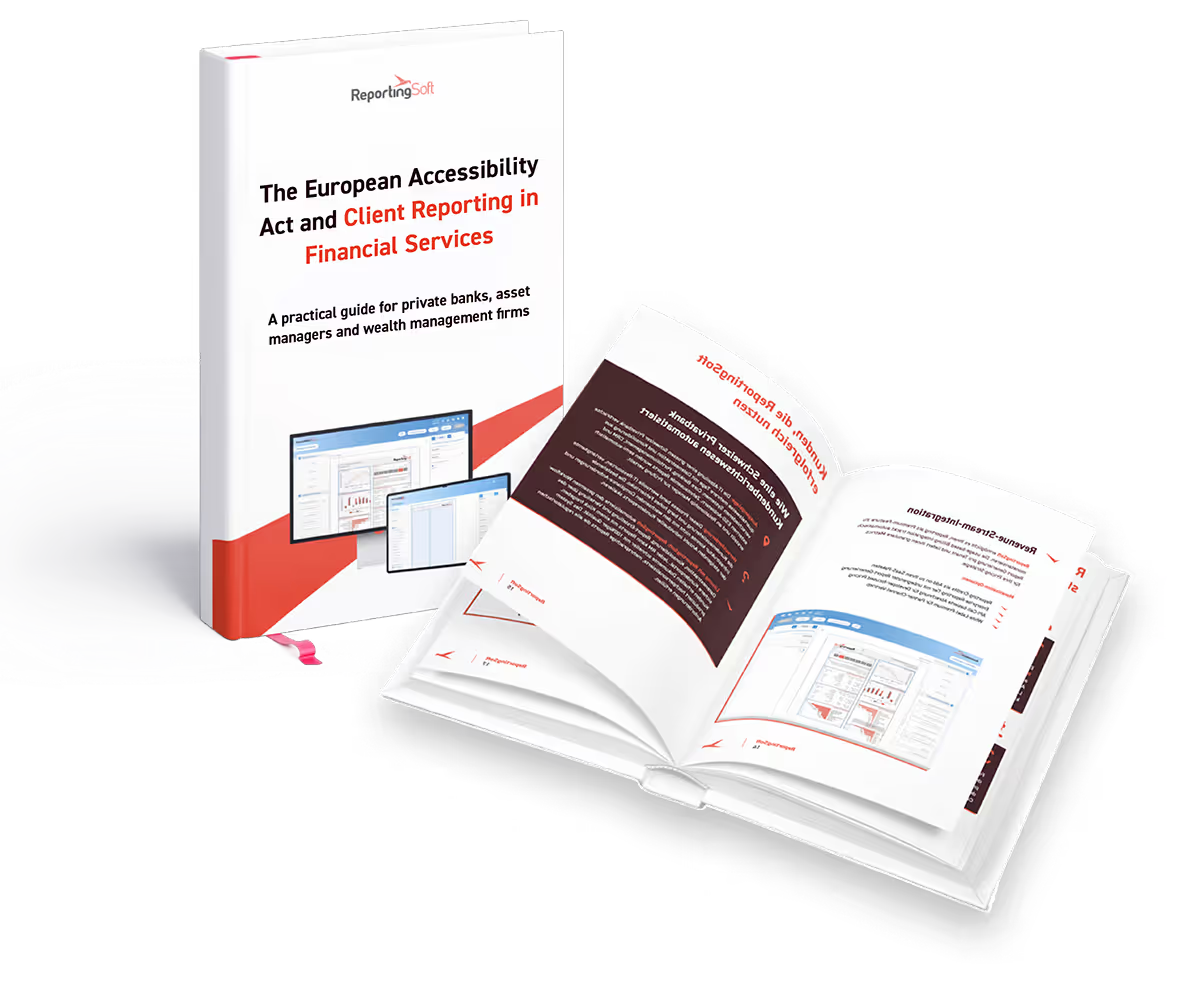
What most back-offices still look like in 2026
What Reporting Maestro delivers from the first production cycle
EAA-compliant output, built into the production process
Automated production cycles, no manual rework
Full audit trail for every document produced
How Reporting Maestro makes EAA compliance part of every production cycle

Automated Production
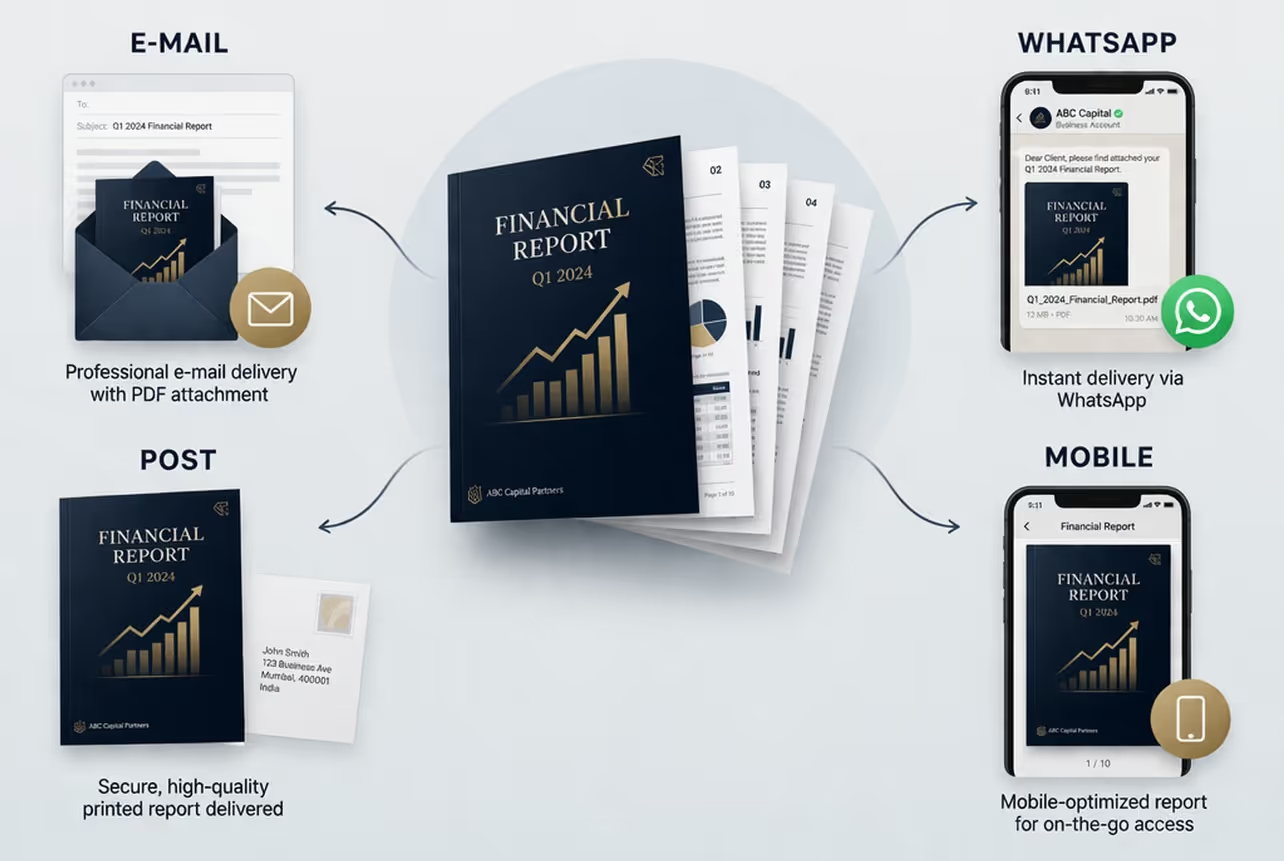
Multi-Channel Distribution

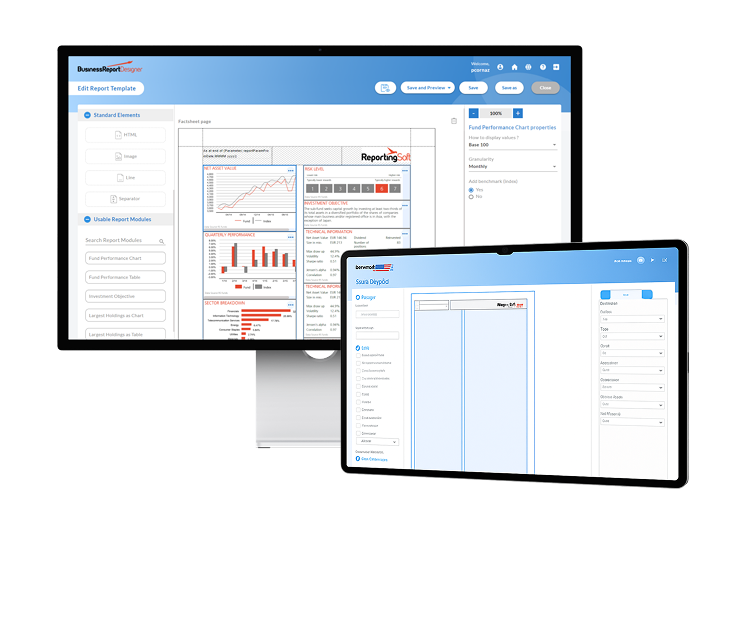
Business Report Designer
How financial institutions use Reporting Maestro for compliant client reporting

Private bank, compliant multi-currency client mandates across all digital channels

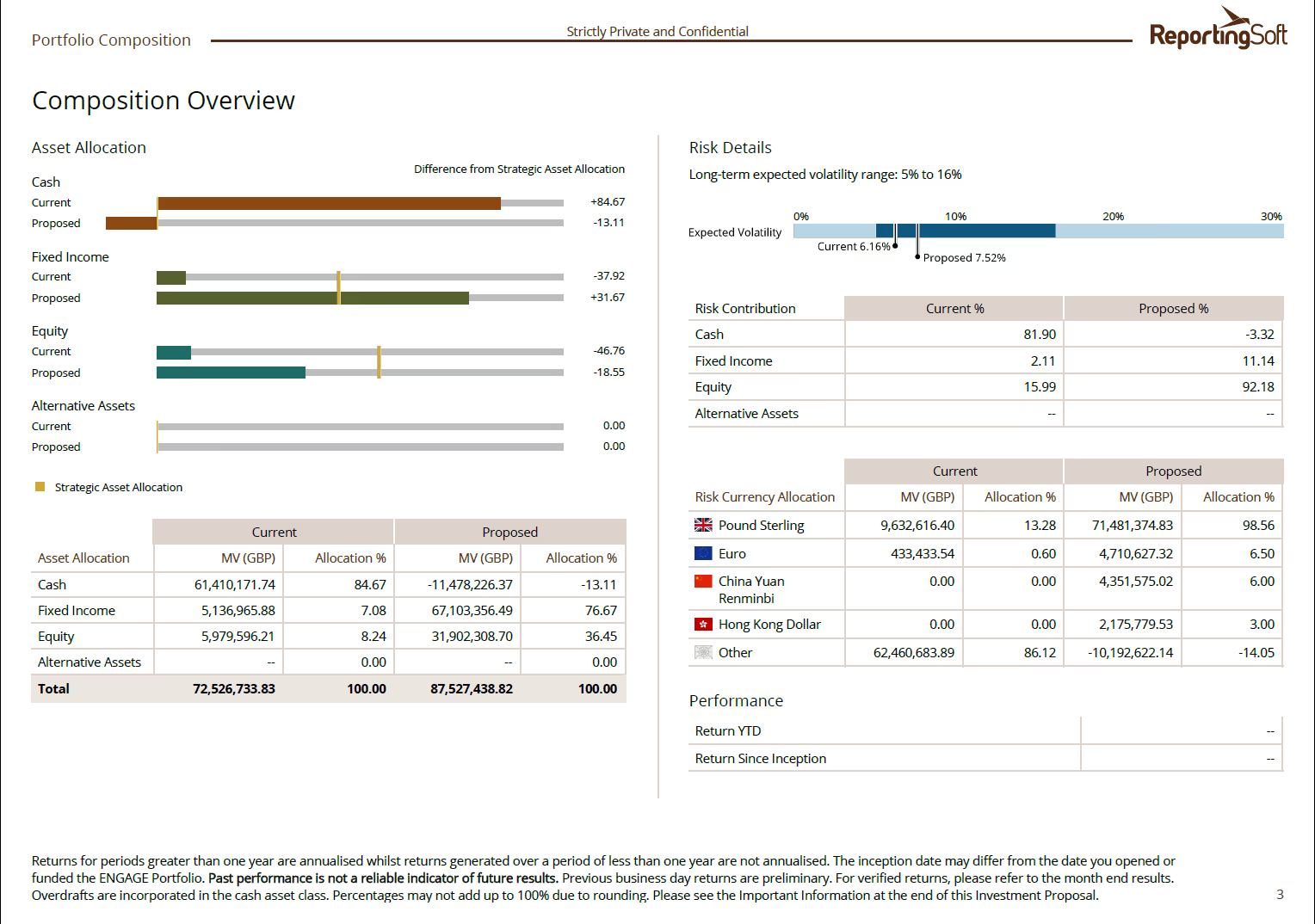

Private bank, 3 to 5 back-office days recovered per reporting cycle
From first conversation to compliant production cycle, in 4 steps

1. EAA Readiness Assessment
2. Data sourcing


3. Template Build and Compliance Validation
4. Go-Live and Ongoing Production

What Our Customers Say

Large out-of-home advertising company


Large private bank in Geneva

Large bank in Luxembourg
IT system integrator, private bank in Geneva
The questions we hear from every compliance and back-office team
Yes, if your institution offers financial services digitally to EU consumers. That includes investment reports, portfolio statements, KIIDs, factsheets, and any document delivered through a client portal, email, app or e-banking. The EAA has been enforceable since 28 June 2025 and covers both the interfaces and the documents delivered through them. Physical-only documents distributed exclusively by post may be out of scope, but the majority of client communication today includes a digital component.
A PDF is only EU-accessibility-compliant if it is produced with specific technical requirements: a document structure that screen readers can navigate, a defined reading sequence so content is understood in the right order, alternative text for all charts and images, and sufficient contrast between text and background. Standard PDF exports from Word, Excel or most reporting tools do not meet these requirements by default. Every manual production step creates a point where compliance can break. Reporting Maestro builds these requirements into the template and production workflow, so compliant output is the default, not the exception.
The EAA exempts micro-enterprises (fewer than 10 employees and under €2 million annual revenue) from service obligations, but not product obligations. Any financial institution above that threshold and offering digital services to EU consumers is in scope. Most private banks, asset managers and wealth management firms above a single-team size are affected. If you are unsure, the EAA Readiness Assessment is the fastest way to confirm your current exposure.
Yes. Reporting Maestro has production-tested connectors for Temenos Wealth Suite, Finnova, Avaloq, Olympic, T24 and other core banking platforms. Integration uses dedicated Java connectors, not custom-built APIs, which means implementation timelines are predictable. The same applies to archive systems (IMTF, IBM OnDemand). If your platform is not on this list, we assess compatibility during the integration scoping step.
Implementation costs depend on the number of report types, languages and distribution channels involved. The integration uses pre-built connectors for your core banking system, not bespoke development, which keeps timelines and costs predictable. Internal effort is concentrated in the template approval phase, where your team reviews and approves layouts in the designer interface. No dedicated IT resources are required for the ongoing production cycle. From go-live, Reporting Maestro runs unattended. A precise cost estimate is provided after the EAA Readiness Assessment, once your specific setup has been reviewed.
If your institution is not yet compliant, the priority is to close the gap as quickly as possible. Every reporting cycle that produces non-compliant output increases regulatory exposure. Implementation of Reporting Maestro typically runs 4 to 8 weeks from signed agreement to go-live. The EAA Readiness Assessment can start within days of first contact and gives you a clear picture of where you stand today.
Yes. Reporting Maestro meets documentation requirements under MiFID, FINMA, GIPS and PIR as part of the standard production workflow. Every report is automatically archived with a timestamp, distribution record, and approval history. Auditors can review directly in the system. EAA compliance is an additional layer on top of the existing regulatory documentation infrastructure, not a separate system. BCGE uses Reporting Maestro for their BCGE Best of client mandates with full archival and audit trail.